Buy endoprothetik.eu ?
We are moving the project
endoprothetik.eu .
Are you interested in purchasing the domain
endoprothetik.eu ?
domain@kv-gmbh.de · 0541-91531010
Buy endoprothetik.eu ?
Which ballet exercises improve the rotational ability of the hip joint?
Ballet exercises such as pliés, tendus, and rond de jambe are effective for improving the rotational ability of the hip joint. Pliés help to strengthen the muscles around the hip joint, while tendus and rond de jambe help to increase the range of motion and flexibility in the hip joint. These exercises also help to improve turnout, which is essential for achieving the desired rotation in ballet movements. Regular practice of these exercises can lead to increased strength, flexibility, and control in the hip joint, ultimately improving rotational ability. **
What are rotational movements?
Rotational movements are movements that involve rotating or turning a body part around its axis. These movements can occur at joints in the body, such as the shoulder or hip joints, allowing for a range of motion in different directions. Rotational movements are important for activities such as throwing, swinging, and twisting, and they help to improve overall flexibility and coordination. **


Similar search terms for Rotational
Top-Angebote
Products related to Rotational:
-
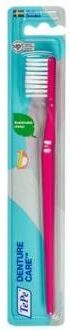
TePe Implant Care ToothbrushHealth and Beauty Oral Care TePe Implant Care Toothbrush Recommended for cleaning removable dentures. Long and strong filaments guarantee good accessibility. The toothbrush head can be bent back to improve grip and accessibility. Designed to look like a normal toothbrush, without damaging the denture. Instructions for use: Heat the neck of the toothbrush under hot water.\ Bend the head back until you achieve the desired angle for the best cleaning comfort of the denture.\ Rub the inside and outside of the denture until It is clean and there is no food leftover.2,60 £*Shipping: 3,99 £Secure redirect to the provider
-
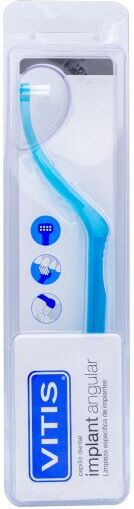
Vitis Angular Implant BrushHealth and Beauty Oral Care Vitis Angular Implant Brush VITIS Implant Angular is a brush with a small head designed to access complex hygiene areas that exist around implants and prostheses. The neck of the handle is narrow and angled to provide easy access to the inner (lingual) surface of the anterior and posterior aspects of the mouth. In addition, the brush adapts anatomically to the shape of the face, also allowing access to the external (vestibular) face. Its filaments are soft to guarantee the elimination of oral biofilm (bacterial plaque) and the protection of the oral cavity. The handle of the brush is anatomical and has non-slip grooves for easy use. Available in two colors: transparent and blue. Indications: VITIS Implant Angular, thanks to the angular shape of the neck of the handle, is especially indicated to guarantee correct hygiene in areas that are difficult to access such as the surroundings of implants and prostheses. Its use is also recommended in the posterior areas since the brush adapts anatomically to the shape of the oral cavity. How to use: Brush your teeth three times a day (after each meal) with circular movements from gum to tooth.9,85 £*Shipping: 3,99 £Secure redirect to the provider
-
TePe Implant Orthodontic ToothbrushHealth and Beauty Oral Care TePe Implant Orthodontic Toothbrush What is Tepe Implant Orthodontic Toothbrush? The Tepe Implant Orthodontic Toothbrush is a brush specially designed to provide effective cleaning around dental implants and orthodontic appliances. With its soft, carefully arranged bristles, this brush ensures superior oral hygiene, helping to maintain healthy gums and prevent plaque buildup in hard-to-reach areas. Benefits Using the Tepe Implant Orthodontic Toothbrush offers multiple benefits, including: Precise cleaning: Thin, flexible bristles allow for effective cleaning around brackets, wires and other orthodontic appliances. Implant Protection: Designed to gently clean around dental implants, helping to prevent infection and maintain gum health. Ergonomics: Its ergonomic design facilitates handling and access to hard-to-reach areas in the mouth. Softness: Soft bristles are gentle on gums and teeth, avoiding irritation and damage. Durability: Made with high quality materials that ensure a long life of the brush. For whom it is? The Tepe Implant Orthodontic Toothbrush is aimed at people who wear orthodontic appliances or have dental implants. It is ideal for those looking to maintain optimal oral hygiene and need a specific tool to effectively clean around their implants and appliances. It is also suitable for anyone who wants a toothbrush that offers precise and gentle cleaning in hard-to-reach areas. How do I apply it? To use the Tepe Implant Orthodontic Toothbrush , follow these simple steps: Place a small amount of toothpaste on the bristles of the brush. Gently insert the brush into the area around the implant or brace. Use gentle, circular motions to effectively clean the surfaces around the implant or appliance. Rinse your mouth and brush thoroughly after use. Repeat the process twice a day to maintain optimal oral hygiene. Product use The Tepe Implant Orthodontic Toothbrush is easy to use and can be incorporated into your daily oral care routine. We recommend using it after each meal and before bed to ensure a complete and effective cleanse. Thanks to its specialized design, this brush is ideal to complement regular brushing, offering a comprehensive solution to maintain a healthy and clean mouth. Buy Tepe Implant Orthodontic Toothbrush today and experience the difference in your oral hygiene. With this brush, you can be sure that you are providing the best possible care for your implants and orthodontic appliances.2,14 £*Shipping: 3,99 £Secure redirect to the provider


-
What is rotational symmetry?
Rotational symmetry is a type of symmetry where a shape or object can be rotated by a certain angle and still look the same. In other words, if you can rotate a shape less than 360 degrees and it appears unchanged, then it has rotational symmetry. The number of times a shape can be rotated and still look the same is called its order of rotational symmetry. Shapes like circles have infinite rotational symmetry, as they look the same no matter how many times they are rotated. **
-
What is rotational energy?
Rotational energy is the energy an object possesses due to its rotation around an axis. It is a form of kinetic energy that is associated with the spinning motion of an object. The amount of rotational energy an object has depends on its mass, shape, and the speed at which it is rotating. This type of energy is important in various systems, such as in the operation of engines, turbines, and other rotating machinery. **
-
What is a rotational body?
A rotational body is an object that is capable of rotating around an axis. This type of motion involves the object spinning or turning in a circular or curved path. Examples of rotational bodies include spinning tops, wheels, and planets. The motion of rotational bodies can be described using principles of angular momentum, torque, and rotational inertia. **
-
What is the rotational speed theory?
The rotational speed theory is a concept in physics that describes the relationship between the speed of rotation of an object and its stability. It states that the faster an object rotates, the more stable it becomes due to the centrifugal force generated. This theory is often applied in various fields such as engineering, sports, and astronomy to understand the behavior of rotating objects. By analyzing the rotational speed of an object, scientists and engineers can predict its stability and performance in different conditions. **

What are rotational bodies used for?
Rotational bodies are used in various applications such as engines, turbines, pumps, and motors. They are essential components in machinery that require rotational motion to function effectively. Rotational bodies are also used in vehicles, industrial equipment, and household appliances to convert energy into mechanical work. Overall, rotational bodies play a crucial role in powering a wide range of mechanical systems and devices. **
How does the rotational speed decrease?
Rotational speed decreases when an external force or torque is applied in the opposite direction of the rotation. This force causes the object to slow down and eventually come to a stop. Factors such as friction, air resistance, and the object's inertia also contribute to the decrease in rotational speed. Additionally, energy loss through heat or sound can further reduce the rotational speed of an object. **
Top-Angebote
Products related to Rotational:
-
Portable190 PPD Dehumidifier w/ Pump Rotational Molded DehumidifierEffectively manage humidity levels with our 190 PPD commercial dehumidifier! This 190 PPD high-efficiency industrial dehumidifier is ideal for tackling humidity in basements, crawl spaces, and areas affected by water damage.692,99 $*Shipping: 0,00 $Secure redirect to the provider
-
Uplifted Finds Manual Garlic Crusher And Rotational Mincer Tool transparentInaugurate a direct energy for your environment with this integrated prep solution. This manual garlic crusher is a functional choice for your nutritional journeys. Specifically engineered with a twist chassis, this tool captures the...34,97 $*Shipping: 0,00 $Secure redirect to the provider
-
TePe Implant Care ToothbrushHealth and Beauty Oral Care TePe Implant Care Toothbrush Recommended for cleaning removable dentures. Long and strong filaments guarantee good accessibility. The toothbrush head can be bent back to improve grip and accessibility. Designed to look like a normal toothbrush, without damaging the denture. Instructions for use: Heat the neck of the toothbrush under hot water.\ Bend the head back until you achieve the desired angle for the best cleaning comfort of the denture.\ Rub the inside and outside of the denture until It is clean and there is no food leftover.2,60 £*Shipping: 3,99 £Secure redirect to the provider
-
Which ballet exercises improve the rotational ability of the hip joint?
Ballet exercises such as pliés, tendus, and rond de jambe are effective for improving the rotational ability of the hip joint. Pliés help to strengthen the muscles around the hip joint, while tendus and rond de jambe help to increase the range of motion and flexibility in the hip joint. These exercises also help to improve turnout, which is essential for achieving the desired rotation in ballet movements. Regular practice of these exercises can lead to increased strength, flexibility, and control in the hip joint, ultimately improving rotational ability. **
-
What are rotational movements?
Rotational movements are movements that involve rotating or turning a body part around its axis. These movements can occur at joints in the body, such as the shoulder or hip joints, allowing for a range of motion in different directions. Rotational movements are important for activities such as throwing, swinging, and twisting, and they help to improve overall flexibility and coordination. **
-
What is rotational symmetry?
Rotational symmetry is a type of symmetry where a shape or object can be rotated by a certain angle and still look the same. In other words, if you can rotate a shape less than 360 degrees and it appears unchanged, then it has rotational symmetry. The number of times a shape can be rotated and still look the same is called its order of rotational symmetry. Shapes like circles have infinite rotational symmetry, as they look the same no matter how many times they are rotated. **
-
What is rotational energy?
Rotational energy is the energy an object possesses due to its rotation around an axis. It is a form of kinetic energy that is associated with the spinning motion of an object. The amount of rotational energy an object has depends on its mass, shape, and the speed at which it is rotating. This type of energy is important in various systems, such as in the operation of engines, turbines, and other rotating machinery. **
Similar search terms for Rotational
-
Vitis Angular Implant BrushHealth and Beauty Oral Care Vitis Angular Implant Brush VITIS Implant Angular is a brush with a small head designed to access complex hygiene areas that exist around implants and prostheses. The neck of the handle is narrow and angled to provide easy access to the inner (lingual) surface of the anterior and posterior aspects of the mouth. In addition, the brush adapts anatomically to the shape of the face, also allowing access to the external (vestibular) face. Its filaments are soft to guarantee the elimination of oral biofilm (bacterial plaque) and the protection of the oral cavity. The handle of the brush is anatomical and has non-slip grooves for easy use. Available in two colors: transparent and blue. Indications: VITIS Implant Angular, thanks to the angular shape of the neck of the handle, is especially indicated to guarantee correct hygiene in areas that are difficult to access such as the surroundings of implants and prostheses. Its use is also recommended in the posterior areas since the brush adapts anatomically to the shape of the oral cavity. How to use: Brush your teeth three times a day (after each meal) with circular movements from gum to tooth.9,85 £*Shipping: 3,99 £Secure redirect to the provider
-
TePe Implant Orthodontic ToothbrushHealth and Beauty Oral Care TePe Implant Orthodontic Toothbrush What is Tepe Implant Orthodontic Toothbrush? The Tepe Implant Orthodontic Toothbrush is a brush specially designed to provide effective cleaning around dental implants and orthodontic appliances. With its soft, carefully arranged bristles, this brush ensures superior oral hygiene, helping to maintain healthy gums and prevent plaque buildup in hard-to-reach areas. Benefits Using the Tepe Implant Orthodontic Toothbrush offers multiple benefits, including: Precise cleaning: Thin, flexible bristles allow for effective cleaning around brackets, wires and other orthodontic appliances. Implant Protection: Designed to gently clean around dental implants, helping to prevent infection and maintain gum health. Ergonomics: Its ergonomic design facilitates handling and access to hard-to-reach areas in the mouth. Softness: Soft bristles are gentle on gums and teeth, avoiding irritation and damage. Durability: Made with high quality materials that ensure a long life of the brush. For whom it is? The Tepe Implant Orthodontic Toothbrush is aimed at people who wear orthodontic appliances or have dental implants. It is ideal for those looking to maintain optimal oral hygiene and need a specific tool to effectively clean around their implants and appliances. It is also suitable for anyone who wants a toothbrush that offers precise and gentle cleaning in hard-to-reach areas. How do I apply it? To use the Tepe Implant Orthodontic Toothbrush , follow these simple steps: Place a small amount of toothpaste on the bristles of the brush. Gently insert the brush into the area around the implant or brace. Use gentle, circular motions to effectively clean the surfaces around the implant or appliance. Rinse your mouth and brush thoroughly after use. Repeat the process twice a day to maintain optimal oral hygiene. Product use The Tepe Implant Orthodontic Toothbrush is easy to use and can be incorporated into your daily oral care routine. We recommend using it after each meal and before bed to ensure a complete and effective cleanse. Thanks to its specialized design, this brush is ideal to complement regular brushing, offering a comprehensive solution to maintain a healthy and clean mouth. Buy Tepe Implant Orthodontic Toothbrush today and experience the difference in your oral hygiene. With this brush, you can be sure that you are providing the best possible care for your implants and orthodontic appliances.2,14 £*Shipping: 3,99 £Secure redirect to the provider
-
Oradent Dental Prosthesis BrushHealth and Beauty Oral Care Oradent Dental Prosthesis Brush Oradent F Dental Prosthesis Brush Oradent F Dental Prosthesis Brush is a brush specially designed for cleaning dental prostheses, such as dentures, bridges and other orthodontic devices. With soft and flexible bristles, this brush effectively removes food debris, bacteria and plaque accumulated on the prosthesis, ensuring complete oral hygiene and protecting the health of your gums and natural teeth. Its ergonomic design and compact size make it easy to use, ideal for keeping your dentures in perfect condition. Benefits of Oradent F Dental Prosthesis Brush Effective and gentle cleaning: The soft bristles of the Oradent F Denture Brush remove food debris and plaque without damaging the surface of the denture. Infection Prevention: Using this brush regularly helps prevent the buildup of bacteria and fungi, which can cause bad breath or mouth infections. Ergonomic design: Its ergonomic handle makes it easier to grip and use the brush, allowing for more comfortable and precise cleaning. Easy access to difficult areas: The bristles are arranged in a way that allows easy access to the corners and surfaces of the prosthesis, ensuring complete cleaning. Compatibility with all types of prosthetics: Ideal for dentures, bridges and other orthodontic devices, ensuring that any type of prosthesis remains clean and free of debris. Who is Oradent F Denture Brush for? Oradent F Denture Brush is specially designed for people who wear dental prostheses, such as dentures, bridges or implants. It is perfect for those who need to keep their prosthesis clean and free of bacteria on a daily basis. In addition, it is ideal for people with sensitive gums or who wear dentures for a long time, as its soft bristles protect the health of the gums and do not damage the dentures. If you are looking for a brush that offers a gentle but effective cleaning for your dentures, this is the right product. How do I apply it? Using the Oradent F Denture Brush is simple. Here's how to get the most out of it: Wet the brush: Before using the brush, wet the bristles with warm water. This will help soften food residue and make cleaning easier. Apply some toothpaste: Place a small amount of toothpaste on the bristles of the toothbrush. It is recommended to use a toothpaste suitable for dentures. Clean your denture: Gently brush the surfaces of the denture, making sure to clean all areas, including the edges and corners. Use gentle strokes to avoid damaging the denture. Rinse well: After brushing, rinse your dentures with warm water to remove any toothpaste residue or food debris. Use the brush daily: Use this brush as part of your daily cleaning routine to keep your dentures in good condition and prevent bacteria buildup. Product Usage Oradent F Denture Brush should be used regularly as part of daily oral hygiene. Its proper use ensures that your denture remains clean and free of food debris, plaque and bacteria, preventing...5,39 £*Shipping: 3,99 £Secure redirect to the provider
-
What is a rotational body?
A rotational body is an object that is capable of rotating around an axis. This type of motion involves the object spinning or turning in a circular or curved path. Examples of rotational bodies include spinning tops, wheels, and planets. The motion of rotational bodies can be described using principles of angular momentum, torque, and rotational inertia. **
-
What is the rotational speed theory?
The rotational speed theory is a concept in physics that describes the relationship between the speed of rotation of an object and its stability. It states that the faster an object rotates, the more stable it becomes due to the centrifugal force generated. This theory is often applied in various fields such as engineering, sports, and astronomy to understand the behavior of rotating objects. By analyzing the rotational speed of an object, scientists and engineers can predict its stability and performance in different conditions. **
-
What are rotational bodies used for?
Rotational bodies are used in various applications such as engines, turbines, pumps, and motors. They are essential components in machinery that require rotational motion to function effectively. Rotational bodies are also used in vehicles, industrial equipment, and household appliances to convert energy into mechanical work. Overall, rotational bodies play a crucial role in powering a wide range of mechanical systems and devices. **
-
How does the rotational speed decrease?
Rotational speed decreases when an external force or torque is applied in the opposite direction of the rotation. This force causes the object to slow down and eventually come to a stop. Factors such as friction, air resistance, and the object's inertia also contribute to the decrease in rotational speed. Additionally, energy loss through heat or sound can further reduce the rotational speed of an object. **
* All prices are inclusive of VAT and, if applicable, plus shipping costs. The offer information is based on the details provided by the respective shop and is updated through automated processes. Real-time updates do not occur, so deviations can occur in individual cases. ** Note: Parts of this content were created by AI.