Buy endoprothetik.eu ?
We are moving the project
endoprothetik.eu .
Are you interested in purchasing the domain
endoprothetik.eu ?
domain@kv-gmbh.de · 0541-91531010
Buy endoprothetik.eu ?
What are Albanian dialects?
Albanian dialects are regional varieties of the Albanian language spoken in different parts of Albania, Kosovo, North Macedonia, and other Albanian-speaking regions. These dialects can vary in terms of vocabulary, pronunciation, and grammar, but they are all mutually intelligible. The two main dialect groups are Gheg, spoken in the north, and Tosk, spoken in the south, with the standard Albanian language based on the Tosk dialect. **
Don't you like dialects?
I do not have personal preferences or feelings, as I am an artificial intelligence. However, I can appreciate the diversity and richness that dialects bring to language. Dialects often reflect the unique cultural and regional identities of communities, adding depth and variety to communication. Embracing dialects can also help foster understanding and appreciation for different ways of speaking. **

Similar search terms for Dialects
Top-Angebote
Products related to Dialects:
-
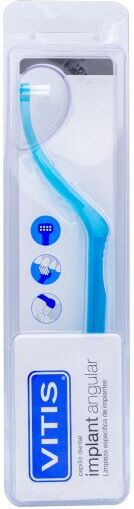
Vitis Angular Implant BrushHealth and Beauty Oral Care Vitis Angular Implant Brush VITIS Implant Angular is a brush with a small head designed to access complex hygiene areas that exist around implants and prostheses. The neck of the handle is narrow and angled to provide easy access to the inner (lingual) surface of the anterior and posterior aspects of the mouth. In addition, the brush adapts anatomically to the shape of the face, also allowing access to the external (vestibular) face. Its filaments are soft to guarantee the elimination of oral biofilm (bacterial plaque) and the protection of the oral cavity. The handle of the brush is anatomical and has non-slip grooves for easy use. Available in two colors: transparent and blue. Indications: VITIS Implant Angular, thanks to the angular shape of the neck of the handle, is especially indicated to guarantee correct hygiene in areas that are difficult to access such as the surroundings of implants and prostheses. Its use is also recommended in the posterior areas since the brush adapts anatomically to the shape of the oral cavity. How to use: Brush your teeth three times a day (after each meal) with circular movements from gum to tooth.9,85 £*Shipping: 3,99 £Secure redirect to the provider
-
TePe Implant Care ToothbrushHealth and Beauty Oral Care TePe Implant Care Toothbrush Recommended for cleaning removable dentures. Long and strong filaments guarantee good accessibility. The toothbrush head can be bent back to improve grip and accessibility. Designed to look like a normal toothbrush, without damaging the denture. Instructions for use: Heat the neck of the toothbrush under hot water.\ Bend the head back until you achieve the desired angle for the best cleaning comfort of the denture.\ Rub the inside and outside of the denture until It is clean and there is no food leftover.2,60 £*Shipping: 3,99 £Secure redirect to the provider
-
TePe Implant Orthodontic ToothbrushHealth and Beauty Oral Care TePe Implant Orthodontic Toothbrush What is Tepe Implant Orthodontic Toothbrush? The Tepe Implant Orthodontic Toothbrush is a brush specially designed to provide effective cleaning around dental implants and orthodontic appliances. With its soft, carefully arranged bristles, this brush ensures superior oral hygiene, helping to maintain healthy gums and prevent plaque buildup in hard-to-reach areas. Benefits Using the Tepe Implant Orthodontic Toothbrush offers multiple benefits, including: Precise cleaning: Thin, flexible bristles allow for effective cleaning around brackets, wires and other orthodontic appliances. Implant Protection: Designed to gently clean around dental implants, helping to prevent infection and maintain gum health. Ergonomics: Its ergonomic design facilitates handling and access to hard-to-reach areas in the mouth. Softness: Soft bristles are gentle on gums and teeth, avoiding irritation and damage. Durability: Made with high quality materials that ensure a long life of the brush. For whom it is? The Tepe Implant Orthodontic Toothbrush is aimed at people who wear orthodontic appliances or have dental implants. It is ideal for those looking to maintain optimal oral hygiene and need a specific tool to effectively clean around their implants and appliances. It is also suitable for anyone who wants a toothbrush that offers precise and gentle cleaning in hard-to-reach areas. How do I apply it? To use the Tepe Implant Orthodontic Toothbrush , follow these simple steps: Place a small amount of toothpaste on the bristles of the brush. Gently insert the brush into the area around the implant or brace. Use gentle, circular motions to effectively clean the surfaces around the implant or appliance. Rinse your mouth and brush thoroughly after use. Repeat the process twice a day to maintain optimal oral hygiene. Product use The Tepe Implant Orthodontic Toothbrush is easy to use and can be incorporated into your daily oral care routine. We recommend using it after each meal and before bed to ensure a complete and effective cleanse. Thanks to its specialized design, this brush is ideal to complement regular brushing, offering a comprehensive solution to maintain a healthy and clean mouth. Buy Tepe Implant Orthodontic Toothbrush today and experience the difference in your oral hygiene. With this brush, you can be sure that you are providing the best possible care for your implants and orthodontic appliances.2,14 £*Shipping: 3,99 £Secure redirect to the provider
-
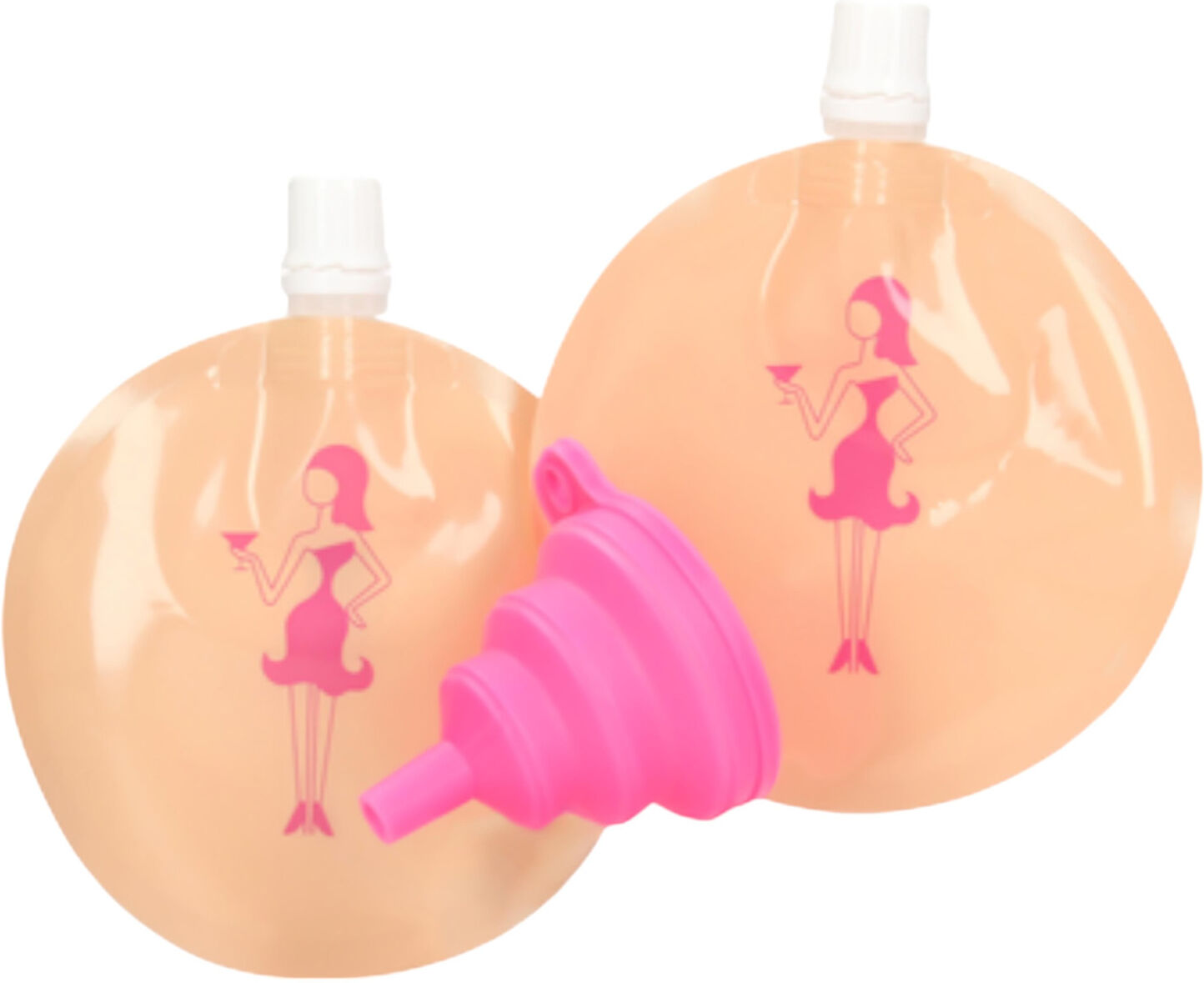
Kheper Games - Drinking Implant (110ml)Hide your booze where no one would think to look: in your bra! Why is it cool? 2 liquid storage implants included in the package!You can hide the drink in your bra - but beware, it's guaranteed to catch the guys' attentionComes with an easy-to-use funnel for refillingYou can also increase your bust size - you get bigger boobs with the implant, and if you need to take off the bra, you can compensate the guy with a drink110 ml capacity - together, they can hold more than 5 shots! EXTRA TIP: Psst... With the booze implant, you can even outsmart security at festivals! What's in the package: 2 booze implants1 funnelProduct features: drink storage pouch that fits in a brascrew capfunnel to help with refillingcapacity: 110 ml (in each)color: natural with a white capmaterial: plasticsize:14 x 11.4 x 1.9 cm User manual7,26 £*Shipping: 6,10 £Secure redirect to the provider

-
What are German dialects?
German dialects are regional variations of the German language that differ in pronunciation, vocabulary, and grammar. These dialects are spoken in different regions of Germany, as well as in neighboring countries such as Austria and Switzerland. Some dialects are so distinct that they are almost unintelligible to speakers of standard German. Despite efforts to promote standard German as the official language, many people still use and take pride in speaking their local dialects. **
-
What are Bavarian dialects?
Bavarian dialects are a group of Upper German dialects spoken in the Bavaria region of Germany, as well as in parts of Austria and South Tyrol. These dialects are characterized by their distinct pronunciation, vocabulary, and grammar, which set them apart from standard German. Bavarian dialects are an important part of the cultural identity of the region and are still spoken by many people, particularly in rural areas. They are also used in literature, music, and theater, contributing to the rich cultural heritage of Bavaria. **
-
How do dialects originate?
Dialects originate from the natural evolution of language within a specific geographical or social community. As people interact and communicate within their community, they develop unique pronunciations, vocabulary, and grammar patterns that distinguish their speech from others. Over time, these linguistic differences become more pronounced and form distinct dialects. Factors such as isolation, migration, and historical events can also contribute to the development of dialects. **
-
What English dialects exist worldwide?
There are numerous English dialects spoken worldwide, including British English, American English, Australian English, Canadian English, Indian English, South African English, and many more. Each of these dialects has its own unique vocabulary, pronunciation, and grammar rules, shaped by the history and culture of the region where it is spoken. These dialects can vary significantly in terms of accent, slang, and idiomatic expressions, making English a diverse and dynamic language. **


Why are dialects being eradicated?
Dialects are being eradicated due to various factors such as globalization, urbanization, and the spread of mass media. As people move to urban areas and interact with a more diverse population, there is a tendency for dialects to be replaced by a more standardized form of language. Additionally, the influence of mass media, particularly through television and the internet, can lead to the homogenization of language as people are exposed to a more uniform way of speaking. Overall, the decline of dialects can be seen as a result of societal changes that prioritize communication and understanding across different regions. **
How can one study dialects?
One can study dialects through various methods such as conducting fieldwork in specific regions to collect data on language usage, interviewing native speakers to understand their linguistic patterns, and analyzing written texts or recordings to identify distinct dialectal features. Additionally, studying the historical and social context of a region can provide insight into the development and evolution of its dialect. Utilizing linguistic tools and software can also aid in analyzing phonological, morphological, and syntactic differences between dialects. Overall, a comprehensive study of dialects involves a combination of empirical research, data collection, and linguistic analysis. **
Top-Angebote
Products related to Dialects:
-
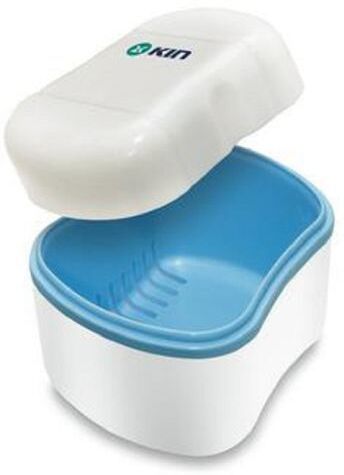
Oradent Dental Prosthesis BrushHealth and Beauty Oral Care Oradent Dental Prosthesis Brush Oradent F Dental Prosthesis Brush Oradent F Dental Prosthesis Brush is a brush specially designed for cleaning dental prostheses, such as dentures, bridges and other orthodontic devices. With soft and flexible bristles, this brush effectively removes food debris, bacteria and plaque accumulated on the prosthesis, ensuring complete oral hygiene and protecting the health of your gums and natural teeth. Its ergonomic design and compact size make it easy to use, ideal for keeping your dentures in perfect condition. Benefits of Oradent F Dental Prosthesis Brush Effective and gentle cleaning: The soft bristles of the Oradent F Denture Brush remove food debris and plaque without damaging the surface of the denture. Infection Prevention: Using this brush regularly helps prevent the buildup of bacteria and fungi, which can cause bad breath or mouth infections. Ergonomic design: Its ergonomic handle makes it easier to grip and use the brush, allowing for more comfortable and precise cleaning. Easy access to difficult areas: The bristles are arranged in a way that allows easy access to the corners and surfaces of the prosthesis, ensuring complete cleaning. Compatibility with all types of prosthetics: Ideal for dentures, bridges and other orthodontic devices, ensuring that any type of prosthesis remains clean and free of debris. Who is Oradent F Denture Brush for? Oradent F Denture Brush is specially designed for people who wear dental prostheses, such as dentures, bridges or implants. It is perfect for those who need to keep their prosthesis clean and free of bacteria on a daily basis. In addition, it is ideal for people with sensitive gums or who wear dentures for a long time, as its soft bristles protect the health of the gums and do not damage the dentures. If you are looking for a brush that offers a gentle but effective cleaning for your dentures, this is the right product. How do I apply it? Using the Oradent F Denture Brush is simple. Here's how to get the most out of it: Wet the brush: Before using the brush, wet the bristles with warm water. This will help soften food residue and make cleaning easier. Apply some toothpaste: Place a small amount of toothpaste on the bristles of the toothbrush. It is recommended to use a toothpaste suitable for dentures. Clean your denture: Gently brush the surfaces of the denture, making sure to clean all areas, including the edges and corners. Use gentle strokes to avoid damaging the denture. Rinse well: After brushing, rinse your dentures with warm water to remove any toothpaste residue or food debris. Use the brush daily: Use this brush as part of your daily cleaning routine to keep your dentures in good condition and prevent bacteria buildup. Product Usage Oradent F Denture Brush should be used regularly as part of daily oral hygiene. Its proper use ensures that your denture remains clean and free of food debris, plaque and bacteria, preventing...5,39 £*Shipping: 3,99 £Secure redirect to the provider
-
Vitis Angular Implant BrushHealth and Beauty Oral Care Vitis Angular Implant Brush VITIS Implant Angular is a brush with a small head designed to access complex hygiene areas that exist around implants and prostheses. The neck of the handle is narrow and angled to provide easy access to the inner (lingual) surface of the anterior and posterior aspects of the mouth. In addition, the brush adapts anatomically to the shape of the face, also allowing access to the external (vestibular) face. Its filaments are soft to guarantee the elimination of oral biofilm (bacterial plaque) and the protection of the oral cavity. The handle of the brush is anatomical and has non-slip grooves for easy use. Available in two colors: transparent and blue. Indications: VITIS Implant Angular, thanks to the angular shape of the neck of the handle, is especially indicated to guarantee correct hygiene in areas that are difficult to access such as the surroundings of implants and prostheses. Its use is also recommended in the posterior areas since the brush adapts anatomically to the shape of the oral cavity. How to use: Brush your teeth three times a day (after each meal) with circular movements from gum to tooth.9,85 £*Shipping: 3,99 £Secure redirect to the provider
-
TePe Implant Care ToothbrushHealth and Beauty Oral Care TePe Implant Care Toothbrush Recommended for cleaning removable dentures. Long and strong filaments guarantee good accessibility. The toothbrush head can be bent back to improve grip and accessibility. Designed to look like a normal toothbrush, without damaging the denture. Instructions for use: Heat the neck of the toothbrush under hot water.\ Bend the head back until you achieve the desired angle for the best cleaning comfort of the denture.\ Rub the inside and outside of the denture until It is clean and there is no food leftover.2,60 £*Shipping: 3,99 £Secure redirect to the provider
-
What are Albanian dialects?
Albanian dialects are regional varieties of the Albanian language spoken in different parts of Albania, Kosovo, North Macedonia, and other Albanian-speaking regions. These dialects can vary in terms of vocabulary, pronunciation, and grammar, but they are all mutually intelligible. The two main dialect groups are Gheg, spoken in the north, and Tosk, spoken in the south, with the standard Albanian language based on the Tosk dialect. **
-
Don't you like dialects?
I do not have personal preferences or feelings, as I am an artificial intelligence. However, I can appreciate the diversity and richness that dialects bring to language. Dialects often reflect the unique cultural and regional identities of communities, adding depth and variety to communication. Embracing dialects can also help foster understanding and appreciation for different ways of speaking. **
-
What are German dialects?
German dialects are regional variations of the German language that differ in pronunciation, vocabulary, and grammar. These dialects are spoken in different regions of Germany, as well as in neighboring countries such as Austria and Switzerland. Some dialects are so distinct that they are almost unintelligible to speakers of standard German. Despite efforts to promote standard German as the official language, many people still use and take pride in speaking their local dialects. **
-
What are Bavarian dialects?
Bavarian dialects are a group of Upper German dialects spoken in the Bavaria region of Germany, as well as in parts of Austria and South Tyrol. These dialects are characterized by their distinct pronunciation, vocabulary, and grammar, which set them apart from standard German. Bavarian dialects are an important part of the cultural identity of the region and are still spoken by many people, particularly in rural areas. They are also used in literature, music, and theater, contributing to the rich cultural heritage of Bavaria. **
Similar search terms for Dialects
-
TePe Implant Orthodontic ToothbrushHealth and Beauty Oral Care TePe Implant Orthodontic Toothbrush What is Tepe Implant Orthodontic Toothbrush? The Tepe Implant Orthodontic Toothbrush is a brush specially designed to provide effective cleaning around dental implants and orthodontic appliances. With its soft, carefully arranged bristles, this brush ensures superior oral hygiene, helping to maintain healthy gums and prevent plaque buildup in hard-to-reach areas. Benefits Using the Tepe Implant Orthodontic Toothbrush offers multiple benefits, including: Precise cleaning: Thin, flexible bristles allow for effective cleaning around brackets, wires and other orthodontic appliances. Implant Protection: Designed to gently clean around dental implants, helping to prevent infection and maintain gum health. Ergonomics: Its ergonomic design facilitates handling and access to hard-to-reach areas in the mouth. Softness: Soft bristles are gentle on gums and teeth, avoiding irritation and damage. Durability: Made with high quality materials that ensure a long life of the brush. For whom it is? The Tepe Implant Orthodontic Toothbrush is aimed at people who wear orthodontic appliances or have dental implants. It is ideal for those looking to maintain optimal oral hygiene and need a specific tool to effectively clean around their implants and appliances. It is also suitable for anyone who wants a toothbrush that offers precise and gentle cleaning in hard-to-reach areas. How do I apply it? To use the Tepe Implant Orthodontic Toothbrush , follow these simple steps: Place a small amount of toothpaste on the bristles of the brush. Gently insert the brush into the area around the implant or brace. Use gentle, circular motions to effectively clean the surfaces around the implant or appliance. Rinse your mouth and brush thoroughly after use. Repeat the process twice a day to maintain optimal oral hygiene. Product use The Tepe Implant Orthodontic Toothbrush is easy to use and can be incorporated into your daily oral care routine. We recommend using it after each meal and before bed to ensure a complete and effective cleanse. Thanks to its specialized design, this brush is ideal to complement regular brushing, offering a comprehensive solution to maintain a healthy and clean mouth. Buy Tepe Implant Orthodontic Toothbrush today and experience the difference in your oral hygiene. With this brush, you can be sure that you are providing the best possible care for your implants and orthodontic appliances.2,14 £*Shipping: 3,99 £Secure redirect to the provider
-
Kheper Games - Drinking Implant (110ml)Hide your booze where no one would think to look: in your bra! Why is it cool? 2 liquid storage implants included in the package!You can hide the drink in your bra - but beware, it's guaranteed to catch the guys' attentionComes with an easy-to-use funnel for refillingYou can also increase your bust size - you get bigger boobs with the implant, and if you need to take off the bra, you can compensate the guy with a drink110 ml capacity - together, they can hold more than 5 shots! EXTRA TIP: Psst... With the booze implant, you can even outsmart security at festivals! What's in the package: 2 booze implants1 funnelProduct features: drink storage pouch that fits in a brascrew capfunnel to help with refillingcapacity: 110 ml (in each)color: natural with a white capmaterial: plasticsize:14 x 11.4 x 1.9 cm User manual7,26 £*Shipping: 6,10 £Secure redirect to the provider
-
Vitis Brush Vitis Implant MonotipHealth and Beauty Oral Care Vitis Brush Vitis Implant Monotip VITIS Implant Monotip is a specially designed toothbrush for removing oral biofilm (bacterial plaque) build-up from very small spaces that require maximum cleaning precision. VITIS Implant Monotip toothbrush has a small brush head. Its Tynex filaments are arranged in one single tuft that facilitates the removal of oral biofilm from minute spaces, while protecting the oral cavity. Its soft grouped filaments allow for maximum cleaning precision of prostheses, bars, attachments, screws, etc. for proper maintenance. The neck of the brush is flexible, and can be bent to the best position for your mouth, to improve brushing access. The handle is ergonomic and offers antislip grooves for easy use and a comfortable grip during brushing. Available in two colours: transparent and blue. INDICATIONS: VITIS Implant Monotip is specially designed for removing oral biofilm build-up from very small spaces that require maximum cleaning precision, such as prostheses, bars, attachments, screws, etc. Its use is also recommended in orthodontic and implant patients. HOW TO USE: Brush teeth three times per day (after every meal) using circular strokes from the gums towards the teeth.5,94 £*Shipping: 3,99 £Secure redirect to the provider
-
Amoena Essential prosthesis 2E 474 03Health and Beauty Orthopedics Amoena Essential prosthesis 2E 474 03 Description: Amoena breast prosthesis Essential 2E is particularly suitable for women with an average profile .. Breast prosthesis a standard silicone layer coated with a super soft film that provides a smooth and silky touch Designed to meet the essential needs after breast surgery Comfortable to wear, natural appearance Sizes: 0-12129,52 £*Shipping: 4,99 £Secure redirect to the provider
-
How do dialects originate?
Dialects originate from the natural evolution of language within a specific geographical or social community. As people interact and communicate within their community, they develop unique pronunciations, vocabulary, and grammar patterns that distinguish their speech from others. Over time, these linguistic differences become more pronounced and form distinct dialects. Factors such as isolation, migration, and historical events can also contribute to the development of dialects. **
-
What English dialects exist worldwide?
There are numerous English dialects spoken worldwide, including British English, American English, Australian English, Canadian English, Indian English, South African English, and many more. Each of these dialects has its own unique vocabulary, pronunciation, and grammar rules, shaped by the history and culture of the region where it is spoken. These dialects can vary significantly in terms of accent, slang, and idiomatic expressions, making English a diverse and dynamic language. **
-
Why are dialects being eradicated?
Dialects are being eradicated due to various factors such as globalization, urbanization, and the spread of mass media. As people move to urban areas and interact with a more diverse population, there is a tendency for dialects to be replaced by a more standardized form of language. Additionally, the influence of mass media, particularly through television and the internet, can lead to the homogenization of language as people are exposed to a more uniform way of speaking. Overall, the decline of dialects can be seen as a result of societal changes that prioritize communication and understanding across different regions. **
-
How can one study dialects?
One can study dialects through various methods such as conducting fieldwork in specific regions to collect data on language usage, interviewing native speakers to understand their linguistic patterns, and analyzing written texts or recordings to identify distinct dialectal features. Additionally, studying the historical and social context of a region can provide insight into the development and evolution of its dialect. Utilizing linguistic tools and software can also aid in analyzing phonological, morphological, and syntactic differences between dialects. Overall, a comprehensive study of dialects involves a combination of empirical research, data collection, and linguistic analysis. **
* All prices are inclusive of VAT and, if applicable, plus shipping costs. The offer information is based on the details provided by the respective shop and is updated through automated processes. Real-time updates do not occur, so deviations can occur in individual cases. ** Note: Parts of this content were created by AI.